


How Lithium Ion Cathode Materials Enhance Battery Energy Density
Release time:
2026-06-12
With the rapid development of new energy vehicles, energy storage systems, and the consumer electronics industry, market demand for high-performance lithium-ion batteries continues to grow. Among their components, lithium ion cathode materials—which play a pivotal role in determining battery performance—are critical to enhancing battery energy density. By optimizing material systems, refining particle structures, and improving manufacturing processes, cathode materials are continuously driving the evolution of lithium batteries toward higher capacities and longer operating ranges.
Currently, one of the most direct methods for increasing battery energy density is to boost the specific capacity of the cathode material. High-nickel ternary materials have emerged as a key area of development in the power battery sector; due to their elevated nickel content, they can significantly enhance lithium-ion storage capabilities. Compared to traditional materials, high-nickel lithium ion cathode materials can store a greater amount of electrical energy within the same volume, thereby effectively extending the driving range of new energy vehicles.
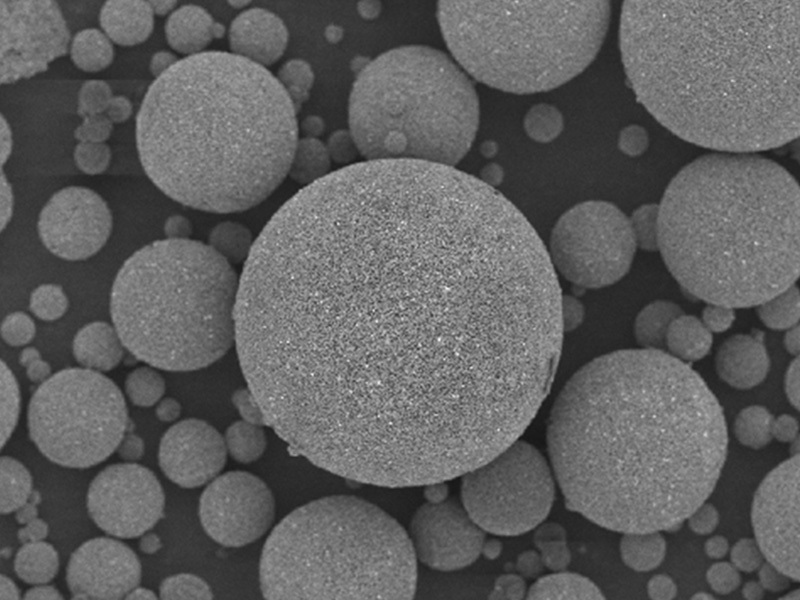
Beyond optimizing material composition, improving tap density is equally crucial. High-tap-density cathode materials allow for the packing of a greater amount of active material within a limited space, thereby further increasing the energy density per unit volume. The industry is currently achieving higher tap densities in lithium ion cathode materials—while simultaneously maintaining stability—by optimizing the morphology of primary particles, controlling particle size distribution, and employing specialized sintering processes. This technical approach is particularly well-suited to meet the demand for high volumetric energy density in power batteries.
Designing the particle structure is another vital strategy for enhancing energy density. Cathode materials with a single-crystal structure exhibit superior structural stability; this helps mitigate issues related to micro-cracking during charge-discharge cycling, thereby improving material utilization efficiency. Concurrently, the application of nanotechnology and surface coating techniques can effectively enhance lithium-ion diffusion kinetics, minimize interfacial side reactions, and boost both the electrical conductivity and cycling performance of the material.
In terms of manufacturing processes, advanced sintering techniques enable precise control over the material's crystal structure, endowing lithium ion cathode materials with more stable electrochemical properties. By carefully adjusting sintering temperatures, durations, and atmospheric conditions, manufacturers can optimize the internal structure of the material, further enhancing its capacity utilization and cycle life. Furthermore, optimizing the systems for conductive additives and binders also contributes to improving the overall energy output efficiency of the battery.
Looking ahead, driven by the development of novel technologies—such as solid-state batteries, high-voltage materials, and lithium-rich manganese-based materials—lithium ion cathode materials will continue to evolve and advance toward even higher levels of energy density. For the lithium-ion battery industry, the ability to enhance energy density while simultaneously balancing safety, cycle life, and cost control will constitute the critical core of future technological competition.
Previous page
Latest News

HOW CAN WE HELP ?
Get In Touch With Us!
Copyright © 2024 Changzhou Liyuan New Energy Technology Co., Ltd. All Rights Reserved. SEO
Related Link: