


Structural and Stability Analysis of Lithium-ion Cathode Materials
Release time:
2026-04-02
Lithium ion cathode materials are a core component determining battery performance, and their structure directly affects battery capacity, cycle life, and safety. Different structures exhibit varying stability and electrochemical characteristics during lithium-ion insertion and extraction.
The crystal structure of the cathode material provides pathways for lithium-ion migration. For example, layered structures offer relatively unobstructed two-dimensional lithium-ion diffusion paths, enabling higher energy densities, but are prone to structural collapse under high voltage or high temperature conditions. Olivine structures, with their stable three-dimensional framework, exhibit relatively lower ion diffusion rates but stronger thermal stability, making them suitable for applications with high safety requirements.
Factors affecting the structural stability of lithium ion cathode materials mainly include lattice stress changes during charging and discharging, the migration of transition metal ions, and the chemical reactions of the electrolyte. During repeated cycling, lithium-ion insertion and extraction cause lattice expansion and contraction. If the structural design is inappropriate, microcracks or even particle breakage can easily occur, thereby reducing battery capacity and cycle life.
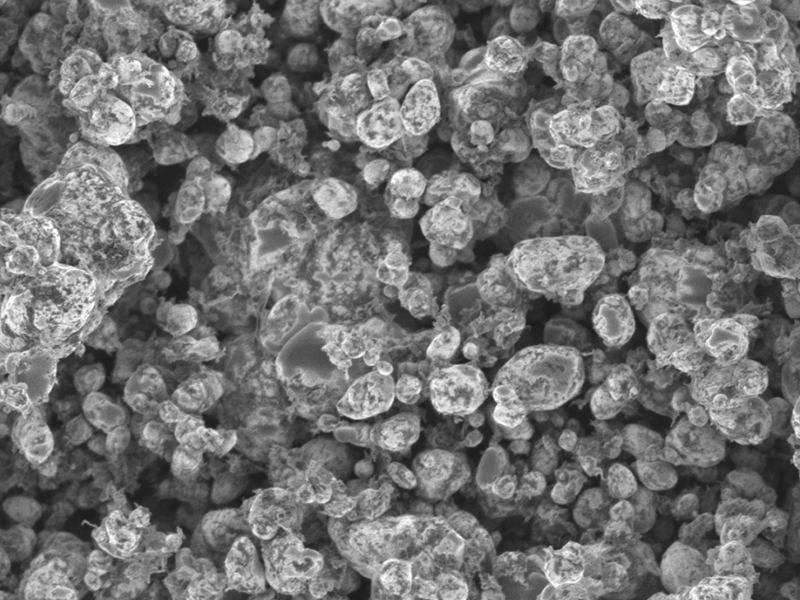
To improve the structural stability of lithium ion cathode materials, researchers typically employ techniques such as elemental doping, surface coating, and nanostructuring. For example, introducing stabilizing elements can enhance the binding force of the crystal structure and reduce phase transitions; while surface coating can effectively isolate the electrolyte from direct contact with the active material, reducing the probability of side reactions and thus improving overall stability.
With the rapid development of the new energy vehicle and energy storage industries, the demand for high energy density and high safety is constantly increasing. Future development of cathode materials will focus more on optimizing structural design and multifunctional synergy, achieving a balance between high capacity and high stability to comprehensively improve battery performance.
The structural characteristics of lithium ion cathode materials have a decisive impact on their stability. By deeply studying the relationship between structure and performance, and combining it with advanced material modification technologies, the overall performance of batteries can be effectively improved, providing solid support for industry development.
Latest News

HOW CAN WE HELP ?
Get In Touch With Us!
Copyright © 2024 Changzhou Liyuan New Energy Technology Co., Ltd. All Rights Reserved. SEO
Related Link: